OOTY
Ooty, also known as the “Queen of Hill Stations,” is a picturesque destination nestled in the Nilgiri Hills of Tamil Nadu. Famous for its tea gardens, rolling hills, botanical gardens, and serene lakes, Ooty offers a perfect escape from city life. Visitors can enjoy scenic train rides on the Nilgiri Mountain Railway, nature walks, and breathtaking viewpoints, making it a favorite spot for nature lovers, honeymooners, and adventure seekers alike.
Highlights
- Botanical Bliss – Stroll through the lush Ooty Botanical Gardens with exotic flora.
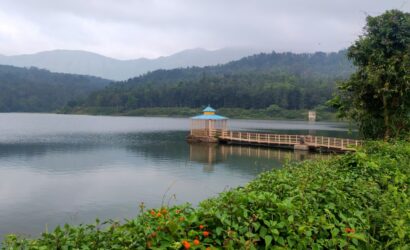
- Serene Lakes – Enjoy boating at Ooty Lake surrounded by hills and greenery.
- Tea Trails – Explore endless tea plantations and sip fresh Nilgiri tea.
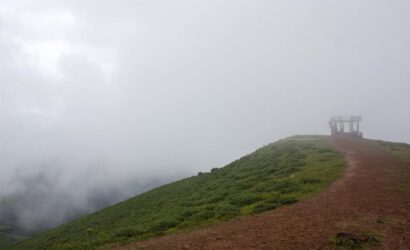
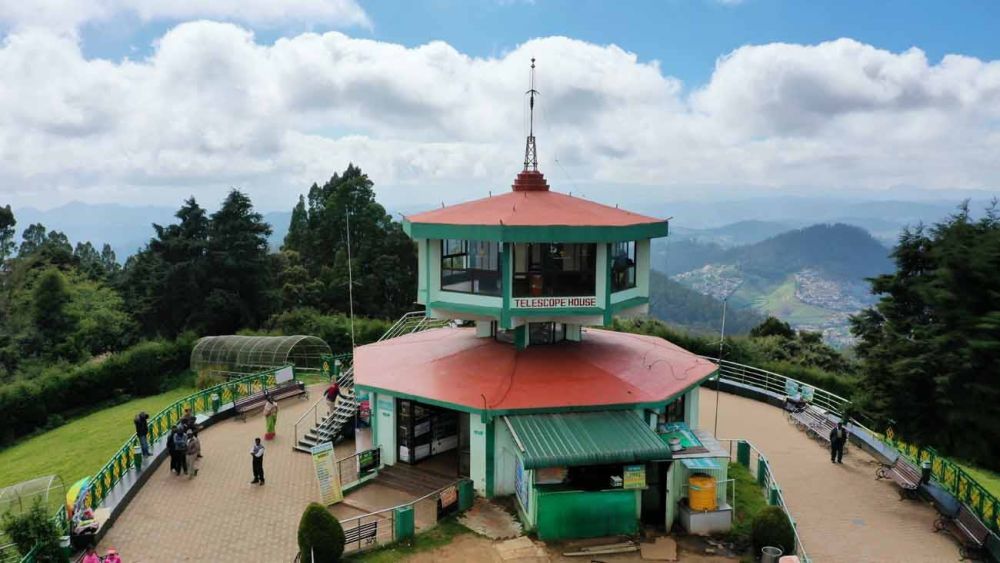
- Doddabetta Peak – Catch panoramic views from the highest point in the Nilgiris.
Itinerary
1. Jardin Majorelle – Marrakesh, Morocco
Designed by French painter Jacques Majorelle in the 1920s, this vibrant garden is celebrated for its striking cobalt blue structures and lush plantings. It offers a peaceful oasis amidst the bustling city. Road Scholar
2. Kirstenbosch National Botanical Garden – Cape Town, South Africa
Nestled at the foot of Table Mountain, Kirstenbosch showcases South Africa's rich biodiversity with over 9,000 plant species. Highlights include the Tree Canopy Walkway and scenic hiking trails. Where Angie Wanders
3. Keukenhof Gardens – Lisse, Netherlands
Known as the "Garden of Europe," Keukenhof is famed for its expansive tulip displays. Open annually during spring, it features over seven million flower bulbs and themed pavilions. The Sun
4. The Butchart Gardens – British Columbia, Canada
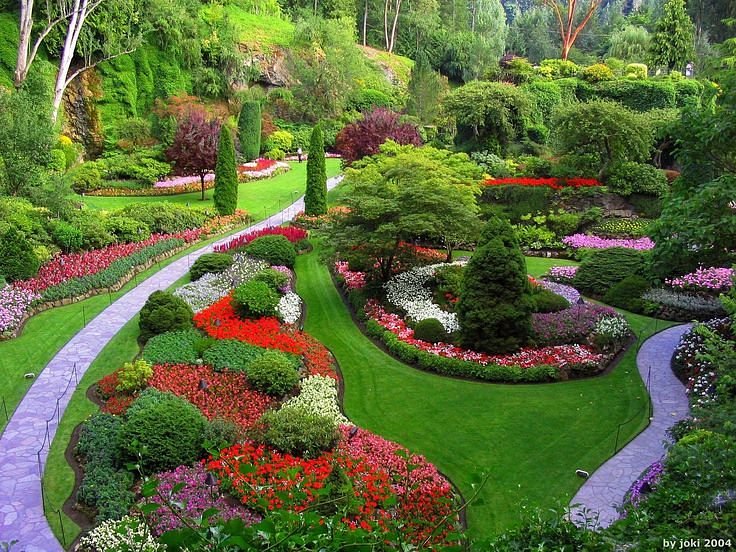
What began as a limestone quarry transformed into a lush garden by Jennie Butchart in the early 20th century. Today, it boasts themed gardens like the Sunken Garden and Japanese Garden. Flower Power
5. Singapore Botanic Gardens – Singapore
A UNESCO World Heritage site, this garden is renowned for its National Orchid Garden, which houses over 1,000 species and 2,000 hybrids of orchids. It offers a serene escape with its tropical flora and rich biodiversity.
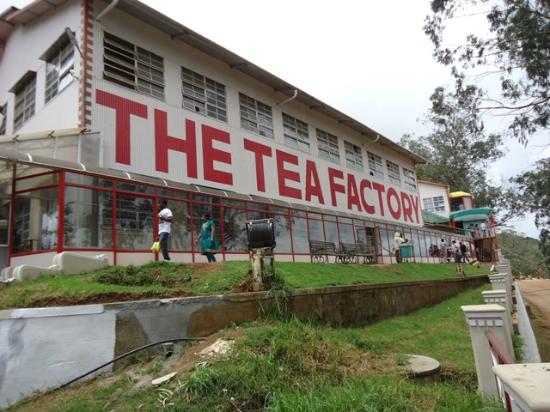
The Doddabetta Tea Museum in Ooty, Tamil Nadu, offers a captivating glimpse into the rich history and intricate process of tea production in the Nilgiri region. Situated near the Doddabetta Peak, the highest point in the Nilgiris, this attraction is a must-visit for tea enthusiasts and curious travelers alike.
The Ooty-Coonoor Toy Train, officially known as the Nilgiri Mountain Railway (NMR), is a UNESCO World Heritage Site and one of India's most scenic train journeys. This narrow-gauge railway connects Mettupalayam to Ooty via Coonoor, traversing the picturesque Nilgiri Hills.
The Pine Forest in Ooty, located approximately 7.5 km from the town center, is a serene and picturesque destination renowned for its tall, dense pine trees and tranquil ambiance. This enchanting forest has also served as a popular filming location for various Indian movies and music videos.
Pykara Boat House, located approximately 23 km from Ooty, offers a serene and scenic boating experience amidst the Nilgiri hills. Surrounded by lush forests and tranquil waters, it's a perfect spot for families, couples, and nature enthusiasts.
Pykara Waterfalls, located approximately 23 km from Ooty on the Ooty-Mysore Road (NH181), is a captivating natural attraction in the Nilgiris. Formed by the Pykara River, which originates from Mukurthi Peak, the falls consist of two majestic cascades: one plunging 55 meters and the other 61 meters into a forested gorge, creating a stunning visual spectacle.
The Government Rose Garden in Ooty is a must-visit destination for nature enthusiasts and photography lovers. Located on the slopes of Elk Hill, this garden is one of the largest rose gardens in India, featuring over 20,000 rose plants across 2,800 varieties, including hybrid tea roses, miniature roses, floribunda, ramblers, and even rare black and green roses. The garden is laid out in five terraced levels, adorned with rose tunnels, pergolas, and bowers, offering a picturesque setting for visitors.
Cost
The Cost Includes
- Pick-up or Drop-off service from and to Airport(in our own vehicle)
- Transportation to and from!!
- Food all along the trip(Breakfast, Lunch, Dinner and a cup of coffee or tea) and accommodations during the trip in hotels with family environment
- Transportation, food, accommodation and insurance of Guide during the trip
- Down jacket, all-season sleeping bag, duffel bag and trekking map(in case if you don’t have your own. Down jacket, sleeping bag and duffel bag must be returned after completion of the trip)
- First Aid Medical Kit(Your guide will carry the Medical Kit but we also advise to bring yourself for your own use, as far as possible)
- All the required permits and paperwork
The Cost Excludes
- International Airfare
- Visa Charges
- Hotel Expenses(In Kathmandu, some packages do include hotel expenses)
- Your travel and medical insurance
- Personal Expenses such as shopping, bar bills, hot shower, telephone, laundry, titbits etc
- Food and accommodations in Kathmandu
- Services not mentioned or not promised by the agent/agency
- Emergency expenses such as expenses on chartered helicopter.
Frequently Asked Questions (FAQs)
Annapurna Base Camp is a Grade B or a moderately difficult trekking route. So any fit person can do this trek, even if you do not have any previous experience. You should be aware of what to expect and mentally prepare for it. Then, as long as you will too, you can.
On average, you walk about 4 to 6 hours per day. One or two days can be as less as 3hrs and one or two days can be as long as 7hrs.
The highest altitude reached is 4190m. This is the elevation of Annapurna Base Camp. ABC is the highest we will climb in this trek.
Yes, you can charge batteries en route. Charger should be brought. There are hot shower facilities as well. You may have to pay a certain amount for both ($1-$2). Negotiate. Also, a hot water facility could be free at a lower elevation.
No. There are no ATMs on this trek route. You will have to draw enough cash in Pokhara or Kathmandu. There are a number of ATMs in these cities. Everything is paid in Nepali rupees. So money should be exchanged before the start of the trek.
Yes. The Internet can be accessed in most places. Sometimes, there might be some technical problems. The Internet in Nepal is not as fast as you are used to and at times you can just lose connection.
Not really. It depends on you. If you want, ABC trekking can be done independently. You could hire a guide and a porter by yourself instead of going through an agency or not hire a guide at all. Although, not having a guide can be a little problematic during the offseason.
It really depends on you. Is it your first time in Nepal? How confident are you of being able to find your way around? How pressed on time are you? If you go through an agency, it will be costlier but everything will be planned. You will only have to come, trek and return.
For the Annapurna region, pay for guides range from $20 to $30 per day and porters take $15 to $25 per day.